Erase and Start Over

The resurfacing memories of a woman with PTSD.


Leave a comment

Rest

camelliasTick, tick, tick, tick, tock, tock, tock, tick…I can’t help but notice the irregular pattern because the house is so silent that there’s nothing else to hear. I know it means the battery needs to be replaced, but I don’t move from my armchair. I don’t write it down. I don’t even note it in my mind to remember later.

My mug is on the coffee table, just inches out of reach, but I don’t lean forward to pick it up. It’s cold by now, anyway.

I don’t know why I am still here. I got up, drove Daisy to school, turned the car toward home, and ended up here. Again. My laptop is over on my desk, waiting for me to upload morning posts for my Facebook clients. I need to finish writing a client’s annual report. We’re out of towels, so laundry is on my list. I have a client I am meeting at noon, and a potential client at four, then a job interview for a church secretary position at seven tonight. I should take out some chicken to thaw for dinner. The newspapers need to be taken to the recycling bin.

Tick, tock, tock, tock, tick, tick…

Tasks float in and out of my mind like dust motes in a ray of sunlight. They gleam for a moment before slipping into the shadows. I feel empty. Pointless. There is nothing to do that I haven’t done before. As soon as I do them, I’ll have to do them again. The repetition leads nowhere. Nothing is ever finished.

My head has lowered into my hands. I don’t remember doing it, but the light pressure of my fingertips feels comforting on my forehead. The light is now seeping through my hands as well as my eyelids, making the shadows slightly pink. Orange-pink. Salmon. I like salmon-colored roses.

I raise my head and settle back into the armchair, picturing salmon-colored roses mingled with miniature white daisies and plenty of green fern. No, not daisies. Big, white camellias in full bloom, taking up most of the space above some piece of tall, elegant porcelain, with the salmon roses and green ferns dressing them like jewels in luxurious hair.

Thoughts of my cell phone, calendar, chores, are gone. There are only flowers of white dappled with rich salmon and green. So beautiful. My shoulders finally lower. My chin is dropping. The colors are so beautiful.


Leave a comment

Still Swimming

Some mornings, I don’t get out of bed unless I have to. I’ll drive my teenager to school at 6:30 a.m., have a cup of coffee, and crawl back in bed to read or stare at the ceiling or sleep. Not every day. Just on bad days.

I know my ceiling well. It is an eggshell white, covered in a flat matte paint that glows a soft gray in moonlight. I’ll keep the blinds closed so as to gray the daylight, too. If it weren’t for the silence, I could imagine being in a darkened room in a pristine hospital, with whispering nurses shuffling in to take my blood pressure, check the monitors, smile gently to me, nod to each other, and quietly leave.

How nice it would be to be completely helpless in a hospital bed. If I ask for my cell phone to check in with work, the nurses would say shush, your boss called and said you are only responsible for getting better. When my daughters visit and I tell them I’m sorry, that I’ll try to get home as soon as possible to take care of things, they will say shush, we are doing just fine, you are only responsible for getting better. When friends and colleagues notice I’m not at functions and write-ins and volunteer events, they’ll understand and nod and say they are glad I am getting better.

There’s no judgment in a hospital. No one to tell me I have to get myself out of bed, shake it off, get over it already. When you’re in a hospital, people gasp or draw their eyebrows up in concern. They ask if there’s anything they can do to help. They agree that bed is the best place for me, and don’t shake their heads and silently accuse me of shirking my duties.

My sister, Beth, sent me a text this morning with pictures of snowflakes, telling me she thought perhaps I had lost my childhood sense of wonder, and if I could just rediscover it by remembering how much we loved catching snowflakes on our tongues when we were children, and spend some time recapturing that sense of wonder we had as children, perhaps I would get better sooner. She’s not judging me. She’s genuinely concerned and wants to do something to be helpful, to fix it.

I know she reads my FB posts. I am sure she’s grabbing at straws and can’t possibly believe I have lost my sense of wonder. Laying in bed doesn’t stop me from spending time on my phone Facebook app. I share amazing photos from several of NASA’s posts that depict with incredible beauty the wonder of our universe. I laugh at silly kitten videos just like everyone else. I share charitable events and moving human interest stories, news of the world, and curious discoveries and advances in STEM fields.

No, I have not lost my sense of childhood wonder. I can stand on the edge of a ridge at Thacher Park and marvel at how far my eye can see. I can feel my knees wobble as my soul soars toward the blurred curvature of the earth in the distance, where the mountains fall away on this big blue marble of ours.

I eavesdrop on my daughters’ conversations in the living room. I don’t feel guilty about that – a living room is a public space where they know I could walk in at any moment. Besides, if they ever did begin to talk about something clearly private, I would back off. Raise your eyebrows if you want to – it’s true. I think trust and loyalty are the two most important aspects of any relationship, so yes, I back off as soon as I get even the tiniest tap from my conscious that perhaps their words are not meant for my ears.

But I digress. The point is, laying in bed, with the bedroom door cracked, and hearing those two young women laughing over some creative music video or debating whether a dress is blue with black trim or white with gold trim, is music to my ears. They are bonding and building memories that will last them a lifetime. No matter what happens to me, they will have each other, and my guilt at the idea of leaving them settles more gently in my chest at the thought.

Because part of me does yearn to leave them. To leave everything. I’m tired of surviving the crashing waves only to battle them again another day. I’m weary. I’m done.

I still feel awe just remembering the beauty of the sun rising over the Atlantic before a whale-watching trip one summer. I still thrill at the idea of the next adventure one of my fictional characters will take in one of the many half-written manuscripts I have laying around my computer files. I am confident that whatever job I end up with next, I will do it well and earn my salary and kudos.

If I leave, all that would end. If I leave, I will not hold my grandchildren – if I have any – on my lap. I won’t see my sister Amy married to the man I know is just around the corner for her – her one true love that I am as confident is waiting for her as I am confident the Earth will still turn tomorrow.

And I think that’s my point. The Earth turns perfectly fine without me. I am but one small speck in the mass of humanity that is struggling to survive every single day. My daughters will bend under the weight of economic downturns and natural disasters and disease just like I have, just like everyone has and will. Life is very hard, and the human spirit can only take so much of it. I’ve protected my girls from most of it, but not too much because I want them to be strong for whatever may come. I am confident I succeeded.

It’s different for me. Hard life came early for me, and it has aged me before my time. My daughters are filled with the youth and vitality I had lost by the time I was 20. At nearly 50, I feel 100. I’m too tired to keep going, but no one believes me. They say I just need to snap out of it, go for walks in fresh air, taste a snowflake on my tongue, get out of bed and I’ll feel better.

My throat is tight, even at the back and up and down my spine as I write this. My face is hot, and there’s pressure in my ears and nose and eyes, forcing the frustration of being unheard to wetly spill over.

I do get out of bed. I tend to do chores now as necessary, rather than a little every day, but I still do them. When Daisy runs out of jeans, I’ll do laundry. When Demi is working too late too many days in a row to take out the trash, I’ll take it out. It took me two months to unclog the hair out of my bathroom sink, but I did do it. I work every day – if not a steady job, at least I’m temping or pulling my laptop into bed with me to blog for $8 an hour.

I am functioning, but that’s it. I’m going through the motions because my daughters want me to. My sisters want me to. It doesn’t matter that I feel like an old horse that is still drawing a cart long past its prime. They love me so much, they’d rather see me draw that cart with my arthritic tailbone, heavy heart, and dragging spirit than finally – gratefully – lay down to rest forever.

If I did go to the hospital, I could get some rest. But they would pump me with drugs to artificially raise my spirits, I guess with the philosophy that I can fake it ’til I make it. But I’m not sure how that’s so different from binge-watching Netflix, Hulu, or Amazon Prime. (Yes, I have all three. Together, they are still way cheaper than cable). A well-crafted story can always raise my spirits. But story or drugs, neither solve the fact that I must still find a way to survive, pay bills, provide for my daughters, and basically be a productive member of society.

I’d rather be home than the hospital anyway, laying in my own bed, surrounded by the little things that remind me of who I am – like my books and movies and photographs and the voices of my daughters. I would have access to my laptop and cell phone and can explore NASA and Scientific American online. I can curl up into a ball and remember and remember, chewing on those memories until I’ve examined every corner – like poking a tongue into a hole in my tooth, flinching when the pain comes but refusing to stop until I am completely sure I know what it is I am exploring. I need to remember and journal and remember some more – so I can get it all out of me, like squeezing the pus out of a festering wound. All the stories and drugs in the world won’t cure me any better than getting all that yuck out of me once and for all.

And when the pain of squeezing gets close to more than I can bear, stories will give me some escapist breathing room from the stresses of those memories of my too-long life on my tired old soul. I could be an alcoholic or worse, but nope, I find odd jobs, pay what needs to be paid, cook what needs to be cooked, clean what needs to be cleaned, and then stare at either the ceiling or stories until the clock ticks to my next task. Once in awhile, I will get up and join my daughters in the living room. Sometimes my smile is a little strained, and sometimes it’s genuine, but I make the effort because I love them and don’t want them to worry about me laying in bed alone all day. No one believes this either, but I actually like being alone.

I got another text from Beth suggesting I should imagine myself in my perfect retirement setting, that little Cape Cod beach house I would love to have, with weekly maid service and plenty of money to have a nice Christmas with my family and to enjoy a dinner and movie out once in a while, and stay home writing Pulitzer-prize-winning stories every year.

I read The Secret. I have walked The Road Less Traveled. I know the Color of my Parachute. I have no problem imagining my best life. I know the first step to achieving is to imagine. The second step is to write it down. The third is to break it down into smaller, achievable stepping stones. For all of you who are hooked on self-help, let me just say this: make sure your needs can be met by your practitioner or self-help book. Some conditions are more serious than what these folks are trained for. No life coach in the world is prepared to deal with cases of childhood rape or domestic violence, and don’t let them try to convince you otherwise.

I think my growing disdain for self-help comes from the fact that I’ve done it already. They aren’t telling me anything that isn’t basic common sense, that I haven’t already done for myself. I went from being a stripper to reading and writing law impacting millions of New Yorkers. I went from being a battered wife to becoming a successful single parent with two smart, confident, successful daughters who have no trouble taking on the world as needed. I have overcome poverty more than once. I have proven I can fall off horses and get back on. I am a helluva strong woman who has even looked attempted murder in the eye and overcome that, too.

Imagine my retirement and make a plan to get there? Sure, no problem. Of course I can do that.

I just don’t want to. I’m TIRED. No one’s going to make that plan for me – I’m going to have to do it. I’m going to have to imagine, plan, and execute all by myself. Again. And succeed or fail – all on just my shoulders – again. No one’s going to do it for me. No one’s ever done it for me. Since I was six years old, it’s been on me, and I’m just too damned tired now, after 40-some-odd years of troubleshooting. It’s way past my turn to sit down on the curb and let someone else do the driving. Why do people have trouble getting that? Enough already. I’m done.

I say that, yet here I am, knowing that when I finish typing I will get up, put in a load of laundry, check my email, and plan dinner. I wish I could sit with my daughters and make a plan for their future, as well as a plan with a timeline to say goodbye, but I won’t. Whatever I say, no matter how calmly I say it, no matter how sensible my argument and supporting points, they will insist I pull the cart and pretend it’s not too heavy for me now.

Drugs, exercise, stories – none of them are a cure for being done with life, but any one of them will help me bear the cart a bit easier. And as I keep going, perhaps one day one of my stories will have meaning for someone. Perhaps I will get my cottage on a New England beach. And my sisters and children will nod and smile and say see, aren’t you glad you’re still here?

And I’ll nod and smile.


Leave a comment

Jo Finally Gives Her Back

woman-leaving-door

January 5, 2015

Jo closed the magazine, placed it on the table and, finally, decided to walk through the door. She was done, and she knew it. She ignored the trembling of her fingers as she clasped the overstuffed purse beside her. Lips and back straight with decision, Jo rose from the old-fashioned couch. She blinked, momentarily surprised at herself, and realized she really was going to leave, permanently. Her eyes focused steadily ahead, and she took a step.

“What do you think you’re doing?” demanded the room’s only other occupant, a steel-grey-haired woman enthroned in her stiff pine rocker, plucking querulously at her scratchy afghans.

Jo wondered how the familiar door could seem so far away. Steadily, she put one foot in front of the other. She pushed through the tense air as if she were wading neck-deep through a pond, thick with clinging water plants.

The old woman snorted. “You never did know what was good for you. You mouse. Afraid of a little truth? Go ahead and leave, cry baby, but take that magazine with you. Maybe it’ll teach you not to be so worthless.”

Her heart was pounding in her ears, thankfully drowning out the eternal harping of the voice behind her. No more “improving” magazines to read, thought Jo, feeling lighter as the door swam closer. No more sarcasm, or wet blankets, or dripping layers of … of undeserved guilt.

“Don’t you walk away when I’m talking to you. You listen to me, young lady! I’m your mother!”

Jo stopped, one hand on the doorknob, and sighed a big, deep, cleansing breath, up for air for the first time in her life. She hung onto the reassuring solidness of the door, validating her own strength of purpose in the worn wood that had withstood years of kicks and slams by the house’s matriarch. She was done. Done with it all.

Turning slightly, Jo gave a long, last look upon the woman behind her. The unusually firm, quiet decision in her face surprised the old lady into momentary silence.

The two women looked at each other across gaping years of crushed hopes, low expectations, and shredded spirits. One pair of eyes wide with realization, the other pair narrowed in angry confusion. Finally, Jo spoke.

“I never had a mother.”

She gave the old woman her back and opened the door, stepping out of the murky waters and into a future that, at age 49, she could finally call her own.


Leave a comment

Mental Health in America

Eleven years before Etan Patz went missing from Manhattan’s SoHo neighborhood, three-year-old Jo Bautista and her little sister were kidnapped from the Bronx in 1968. There was no hue and cry. No nationwide search. Her face was never on a milk carton.

Thankfully for her family, she did not suffer little Etan’s fate, and was eventually found alive after 18 years. But damage had been done, and it would be another 20 years before she could fully remember what had happened and find peace.

“Erase and Start Over” is the story of a middle-aged single-parent’s journey through resurfacing memories of a violent past and into the world of 21st century mental illness and treatment.


Leave a comment

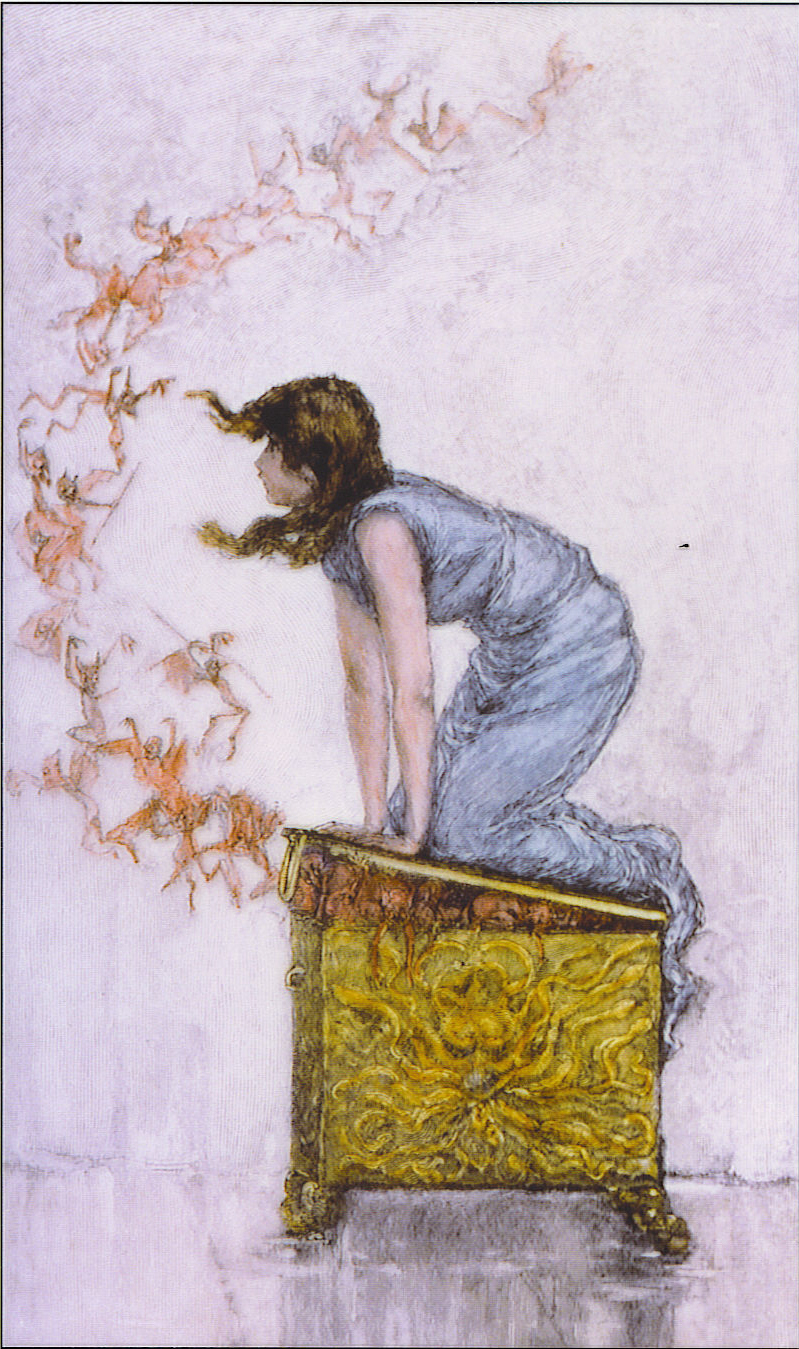
My Pandora’s Box

Engraving, based on a painting by F.S. Church.

Engraving, based on a painting by F.S. Church.

Spring, 1986 Kansas City, MO

It was a rainy Saturday afternoon. Demi was about 18 months old, and napping soundly in her room. I was trying to find some space in our bedroom closet for extra storage. I ignored the top of the closet, where Dell kept his revolver. I never saw the need for such a thing and was just thankful he kept it out of Demi’s reach. The floor of the closet was a different story. Surely some of those boxes could be emptied or thrown out. Most were filled with books that I’ve had forever, but one of the boxes was filled with paper, kind of like a filing cabinet. I rummaged through it and discovered that it was our financial records, beginning from when we were married in March ’84.

Curious, I pulled out the tax return that Dell had just finished a month ago. He took care of all the bills, the checkbook, and such. I had never done a tax return before, but the form didn’t seem all that complicated. I had no trouble understanding what was on each line, but I was certainly troubled by what I read there.

My husband’s salary was nearly twice mine.

I sat back on my sneakered heels, staring at the paper as if it were a claim that unicorns were real. It couldn’t be true. We were broke. We got our clothes from the Salvation Army. He only gave me $20 a week to spend at the grocery store. We didn’t go to the movies, we didn’t exchange birthday presents with friends or family, our last Christmas was just one present each, and we certainly didn’t go out as a family on a vacation or really anywhere that wasn’t free.

I let my hand fall in my lap, still holding the tax return. It said we would be receiving a $300 refund. My shoulders dropped, and I tilted my head, thinking about new towels. Fluffy, big bath towels to wrap my little curly-top girl in. And clothes. Demi was growing so fast. How great it would be to get her a couple cute summer dresses. I pushed aside the thought that Dell should have told me about his raise, because I was young and optimistic and more than willing to believe in unicorns.

Smiling, I stood up to go look for Dell. He was coming out of the garage, covered in dirt and grease, just as I got to the kitchen.

“Whatcha got there?” he asked, wiping his hands on an old rag.

“The tax return. Dell, I’m so glad we’re getting a refund! Demi needs some clothes, and can we get some new towels?”

He went still, and I sensed he was upset. His eyes narrowed, and he said warily, “We can think about it.”

This was not the reaction I was expecting. That niggling feeling that he should have told me the truth came back in full force. His shuttered face was watching me in the brightness of that small kitchen. There was no sound except for the light pink-pinks of drizzling rain at the windows, but there could have been a tornado roaring outside and I wouldn’t have heard it. I stood there, struggling to get past the idea that he’d never intended I should ever know how much money was coming in the house. He never lied to me, but he purposely led me to believe that he was making about $15,000 a year just like me. He’d even apologized to me for not being able to take me out for my 21st birthday last month because we were so broke. He had brought home a bottle of whiskey and a pack of Coca-Colas for us to share. I didn’t like it much, but with enough Coke in the glass, it wasn’t bad. I had thanked him for trying to be thoughtful. My fingers curled tightly around the tax return. I had actually thanked him for remembering my birthday with his favorite drink.

Still unmoving, he waited, watching the realization growing in my face. I thought about his beat-up old MG on the side of the house. He drove a silver Toyota minivan, and dropped me off at work every day. That was our car, but the unpainted shell of an MG was his alone. Every weekend, he kept rummaging in junkyards for parts, sure that he could rebuild it. He was a bill collector, sitting on a phone behind a desk all day, not an auto mechanic, but that MG was his baby. In that moment, I was sure all our money was being poured into that old thing, with nothing left to take his wife out for her 21st birthday. With nothing to make sure his wife and child could eat something that didn’t come out of a can. Except for hamburger, even our meat came out of a can. Tuna. Spam. Once, our church pastor had invited us to his home for dinner one Friday night, and I remembered asking his wife if she’d cut the corn fresh from the cob to serve. I had never tasted anything so fresh and delicious since the corn-on-the-cob my mom always made. She looked at me funny and said no, that it just came out of a bag of frozen corn. We never bought frozen foods because canned was cheaper.

I could feel my own eyes narrowing as I looked at Dell, wondering how he could prefer car parts over frozen corn. “When did you start making $30,000 a year?”

“That’s none of your business.” I felt his words like a slap.

“I give you my paycheck every month, and I don’t see hardly any of it being spent on this family. If your money is your business, then my money is my business. Where’s my money going, Dell?”

He snorted and folded his arms across his chest. “Your money is my money. That’s how marriage works, babe. Everything here is mine. Your clothes, that dining room table, that highchair, this whole house and everything in it. Mine.” He gave me that familiar blue wink and grin. “As long as you keep it clean, you’re welcome to stay.”

I was speechless, torn between wanting to wipe that smirk off his face and wanting to stomp out of the room. This was not the man I married. This was not the vulnerable, nobody-understands-me guy who winked at me when I ironed his jeans just the way he liked them. Who ate my bad cooking without complaining, and had no problem leaving the dishes to me.

This man stood there exuding confidence and control as if he’d had it all along. I felt manipulated. Betrayed. And very angry. “Well,” I spluttered, my hands now on my hips and the tax return fluttering to the floor, “well, if I leave, I’m taking my paycheck with me. And for that matter, you’re the one who’ll have to leave, because my name is on the mortgage, and you can’t sell this house without me. So, you are the one who’s welcome to stay, if you can learn to start spending money on your family and not those stupid car parts.”

I had succeeded in wiping the smirk off his face, but I immediately wished it was back. I had never seen a look like that on anyone before, not even my mother at her worst. His face was like marble, a menacing stone gargoyle that only had to take a very slight step toward me to make me stumble and back into the fridge. He stared me down for a moment, then turned purposefully toward the garage.

Frightened, I followed him, unsure of what he was going to do, but very sure that I had to stop him, whatever it was. I stood in the kitchen doorway leading to the garage as he silently reached for something hanging on the wall above the worktable. “Dell, I’m sorry,” I whispered. I cleared my throat and spoke louder. “Dell. Dell, I’m sorry.”

He took the sledgehammer down and cradled it for a minute, looking at me. I backed up.

“Dell, Demi is in the house. Let me just get Demi and we’ll go. Okay?”

He took a step toward me. I took another step back. He stepped, and I stepped, a slow, torturous dance that I knew was not going to end well. I couldn’t read his face – it was completely frozen in that cold stare. I didn’t know who this man was, but I was terrified right down to my bones. I turned and ran across the kitchen, could hear his footsteps pounding behind me, and made it across the house into Demi’s bedroom. I quickly shut the door and leaned my body against it, my eyes running hurriedly over Demi’s room, looking for a way to grab her out of the crib and escape, but there was no time and nowhere to go.

His footsteps stopped on the other side of the door. I could feel the pressure under the wood of his body leaning on the other side of it. My heart was in my throat. I didn’t have the strength to keep him from opening that door. “This is my house,” he growled through the thin wood. The pressure was suddenly gone and I suddenly remembered the gun. What if he was going to get his gun?! The panic tasted like rust in my mouth, and I strained to hear his movements. It sounded like he was in the dining room.

“Don’t believe me?” he called loudly from there. “I’ll prove it.”

The next thing I heard was a loud crack followed by a crash of splintering wood. He had taken the sledgehammer to one of the walls. There was a squeak of metal dragging on wood, as if he had to pull the thing back out of the wall, and the crash repeated. It repeated three more times before he was  back, panting at the door.

“Talk back again, and next time it’ll be you.” Then he walked away.

My body was trembling against that door. I looked at Demi, still asleep on her belly, her little back softly rising up and down with each baby’s breath. What kind of father had I given her? My knees couldn’t support me anymore, and I slid to the floor, keeping my back against the door just in case. My fingernails dug into the hardwood floor, and I took in great gulps of air. My face was burning hot, and my eyes felt heavy and wet. That stupid box. I should have just left that stupid box alone.

I could hear the Toyota fire up. I held my breath. Yes, the tires were crunching in the wet gravel. He was leaving. I glanced around the room again. We were going to leave now, too.


Leave a comment

Demi’s Nails

118527554

April 2014

The alarm went off. I reached groggily for my phone and slid the alarm screen to snooze. I must finish my tax return today, I thought. Then my arm and phone dropped heavily by my side, and I drifted off as if I had never left sleep.

I couldn’t find Demi. I searched all over the house, never questioning that I was back in the home of my first marriage. She wasn’t in her bedroom with the pastel pink, blue, and yellow curtains I had made her. She wasn’t in the living room, where her Teddy Ruxpin bear was laying on the carpet before the couch. I searched from morning until twilight all over that tiny house, even peering through the garage, but she was gone, vanished. My panic kept rising like bile in my throat. She was so little, just five years old, and night was falling. She couldn’t survive alone all night.

I went to the front door and finally opened it, thinking I’d go drive the neighborhood, and there she was, curled up on the front porch in front of the door, sound asleep. There were streaks of grimy tears running down her face. Her little hands were tucked under her chin, and I could see they were dirty and blood-stained, like she’d been scratching at something and tore her nails bloody. Something squeezed my heart painfully as I looked at that sweet, beautiful, clearly traumatized little girl. I turned my head slightly and saw the marks along the lower part of the front door. I suddenly imagined her, kneeling at the door, crying, screaming, calling for me and clawing and scratching to get back in; trying to claw her way in all day, finally giving up, finally realizing that no one was going to save her, not even her mother.

The alarm went off again, jarring me awake, but a part of me was still standing at the door in that nightmare, feeling the horror and guilt of recognizing that I had hurt my own child. The adrenaline pumped so hard that I wasn’t the least bit sleepy. My heart and breath were both going double-time.

It was just a nightmare. Demi had never been missing, I told myself, not ever. Not even for an hour, much less a whole day. She had never hurt herself by scratching a door. I knew logically that none of it had ever happened. So why did I hurt so much? I slid the alarm off and peered at the phone. 6:11 a.m. The whole dream took all of ten minutes.

Sighing, I flopped over onto my back and lay there, steadying my breathing. Demi was down the hall, 29 years old, and likely hitting the snooze on her own alarm clock. I have to get up, get ready for work, and take Daisy to school. But I didn’t move. I felt so heavy in heart and body. My skin was trapped in the clawing sheets, punishing me by pulling me down into the uncomfortable mattress. I could hear the water running in the bathroom beyond my bedroom door, but whoever was there couldn’t know that I was in trouble. I couldn’t shake this feeling that I had sinned against nature, that there was something inherently wrong with me, that I was a bad mother, bad employee, bad person and deserved to sink into that nightmare tangle of bedclothes and never wake up.

My face was wet. My girls were awake. I dug my fingernails into the mattress, silently fighting back, and pushed myself up into a sitting position. “Snap out of it,” I whispered fiercely. Gritting my teeth, I made myself look at my phone, and click the news app. Oscar Pistorius sobbed during his testimony that he didn’t mean to shoot his girlfriend. Russia was claiming it didn’t mean to invade Ukraine, that it wasn’t their fault. Good. My boss was not in the news today. That means it should be a slow day.

I stood up, grabbed my clothes, and headed for my own shower. I thought I should probably talk to someone about these difficult mornings, but I was ashamed to admit that it was hard for me to get out of bed for something so silly as a nightmare. I just have to do a better job of eating right and exercising. My nightmares were my own fault. Somebody in this world needs to step up and take responsibility.


Leave a comment

Breathing Through PTSD

5372890384_abd8ed155c

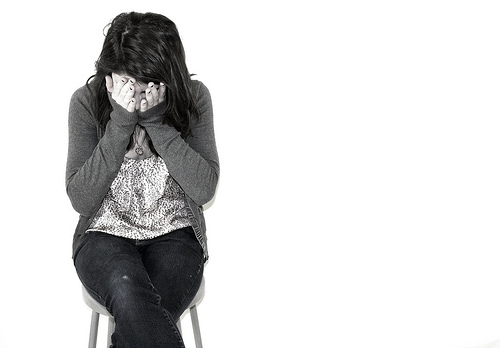
It’s hard to breathe. My veins feel carbonated; tiny bubbles with that same slight burn throughout my limbs and torso that I often feel against my tongue when drinking soda. I’m slightly disoriented, as if my airy blood is trying to make me float. My forearms are light. They can’t help but rise up toward my face. My chest is pounding. I must breathe. Just for a minute. I don’t want to do anything, think anything, feel anything. I just want to sit and breathe, very still, with my face buried in my hands.

I know it’ll pass. It always does. I just wish I could get through a day without freezing. Without feeling rising memories and having to involve my whole body to keep those thoughts at bay so I can focus on work, family, paying bills, doing dishes…

It’s hard to keep up with simple daily life when I must drop everything, without warning, and breathe for half an hour. But I do it. I must keep going. I begin my DBT exercises.

The floor is beneath my feet. I can feel the floor. The iPod is playing in my daughter’s room. I notice the song. I notice my daughter is humming to the song. The room is warm. I can feel the temperature of my skin, sending signals that the room is too hot. I open my eyes. In front of me is my coffee cup. It is solid. It is blue. It has a flower pattern. It is empty. I can smell overripe bananas. I remember that I meant to toss the bananas out this morning. My head turns toward the kitchen, and..

I’m out of it. I rise naturally toward the kitchen, not dizzy, not scared. I feel myself again. I toss the bananas, wrap up the trash and easily lift it to the front door. Okay, back to my day.


Leave a comment

Teach Your Daughters Well

10911320_10205941561202479_2165417273412120977_o

This image from Blue Nation Review has been trending on Facebook. It depicts the consequences of a girl thinking that being smart is way cooler than boys, cigarettes, parties, or being popular.

You cannot teach this to girls. I have two daughters of my own, one 30 and one 16. I also have given workshops on college campuses as a Women’s Issues Director student leader. You can instruct, cajole, demand, and give a song and dance, but young women will always hear you with wariness. Their internal voice of rebellion and personal freedom will always have a contradictory argument for you. “You don’t know what it’s like, Mom, being a teenager today.” Women between the ages of 13 and 22 are confident they know better than those of us who’ve been around the block more often than we care to count.

No, you cannot teach values and principles to girls. But you can model them.

Your daughter will be as disciplined as you are, not as disciplined as you tell her to be. She’ll read because she sees you reading. She’ll appreciate regular exercise because she remembers seeing you get up uncomplainingly every morning for a walk or run. She’ll unconsciously prefer to skip drinking with her buds in order to get some extra studying in, because she grew up seeing you turn down alcohol or attention from husbands/lovers in favor of opportunities to grow or stretch.

In the end, she’ll be her own person, but you’ll see the positive and negative influences you modeled for her appearing in her life more regularly than you might think. Especially given how much she may argue with you. Go ahead and lecture her once in awhile, but don’t beat the dead horse. She’ll get it, just by remembering what she’s seen you do.

My mom modeled that women are nothing without a man. She spoke like a feminist, but her words were just parroted from current events. Her actions made it clear to us girls that her husbands/lovers were much more important than we were. I began to unconsciously believe that my future was predicated on having a man in my life. When I hit 14 and noticed that I was being noticed, I made the most of it. I fell in love regularly, a serial monogamist, sure that each boyfriend was “the one”. I hadn’t been out of high school a year before I was pregnant and married, in that order, and considered myself a success.

I was so proud of my firstborn daughter that I went back to my high school to show her off to my former teachers. They all cooed and smiled over my cherubic infant, except for Mr. Stewart, my English teacher. I walked into his empty classroom, he turned around from whatever he was doing, saw me standing there smiling with a baby in my arms, frowned, shook his head, and said, “You should have gone to college.” Then he turned away and went back to what he was doing. Not another look or word.

I stood there, surprised and mortified, then quietly left. I have never forgotten that moment, and I will be immensely grateful to Mr. Stewart for the rest of my life. In pondering his words, I realized that all he knew about me was my work in his class. I’m sure he knew I was an editor on the school paper and involved in Drama Club, but for the most part, his assessment of me was based on the papers I turned into him. He knew my work, and thought I was good enough to go to college.

No one had ever told me that before. I think he never said it because he assumed I would go. I had always been told I was too stupid to go to college and my parents refused to pay for it. No one told me I could apply for scholarships or loans. My high school GPA was 3.4, but I thought that’s just what students get who do their work.

I did well in school for two reasons: I was lucky enough to be born intelligent; and Mom taught me to be obedient, or else. A teacher was an authority figure to me. If the teacher said “do this”, I did it. But college? No. I was sure I wasn’t qualified, and definitely knew I couldn’t afford it with my salary at Taco Via.

I have done my greatest work when there has been no man in my life, when I fought the unconscious impulses of my upbringing that fiercely whispered I was not whole without a man. I earned a double-major with honors in just 35 months in between husband #1 and #2. I became a student leader statewide and a lobbyist during those years. I began a career as a legislative analyst, able to read, analyze, and write law when I was focused on me and my child and not on my looks, night life, or other means of seeking a man.

Imagine where I would be right now if I had gone to college straight out of high school. Imagine the career I would have if I had paid more attention early on to the talents I own that make my happy. Imagine the kind of marriage I could have if I had waited until I found my own place in the world, obtained my own healing, before seeking a life partner.

I know I am not a good role model for my daughters. I am certainly a better one than my own mother, but I have enough of a sense of my strengths and shortcomings to know I must allow other women to influence my girls, as well. First Lady Michelle Obama is a woman I greatly admire, and I speak of her in casual conversation with my girls. I talk about all of the women who have influenced me over the years, and the lessons I’ve learned from them.

I’ve also demonstrated change to my girls. I’ve been fearless in sharing my shortcomings, and showing them that it is possible to be better today than I was yesterday. Between me and Michelle Obama, and the trove of great female role models out there, I know my girls will find their place and much happiness. What more can a mother ask?


Leave a comment

Inpatient

Four Winds

June 3, 2014

I guess I should begin by telling you where I am, but first let me just say how ridiculous it is that I have to ask permission to have a Q-tip to clean the water out of my ears after a shower. They’ll give me this pen and leave me alone for an hour to journal my thoughts, but heaven forbid I should be left alone with a dangerous cotton swab. Between you and me, I’m guessing I could do way more damage to myself with a pen, but I’m just the patient. What do I know.

I’m in a loony bin.

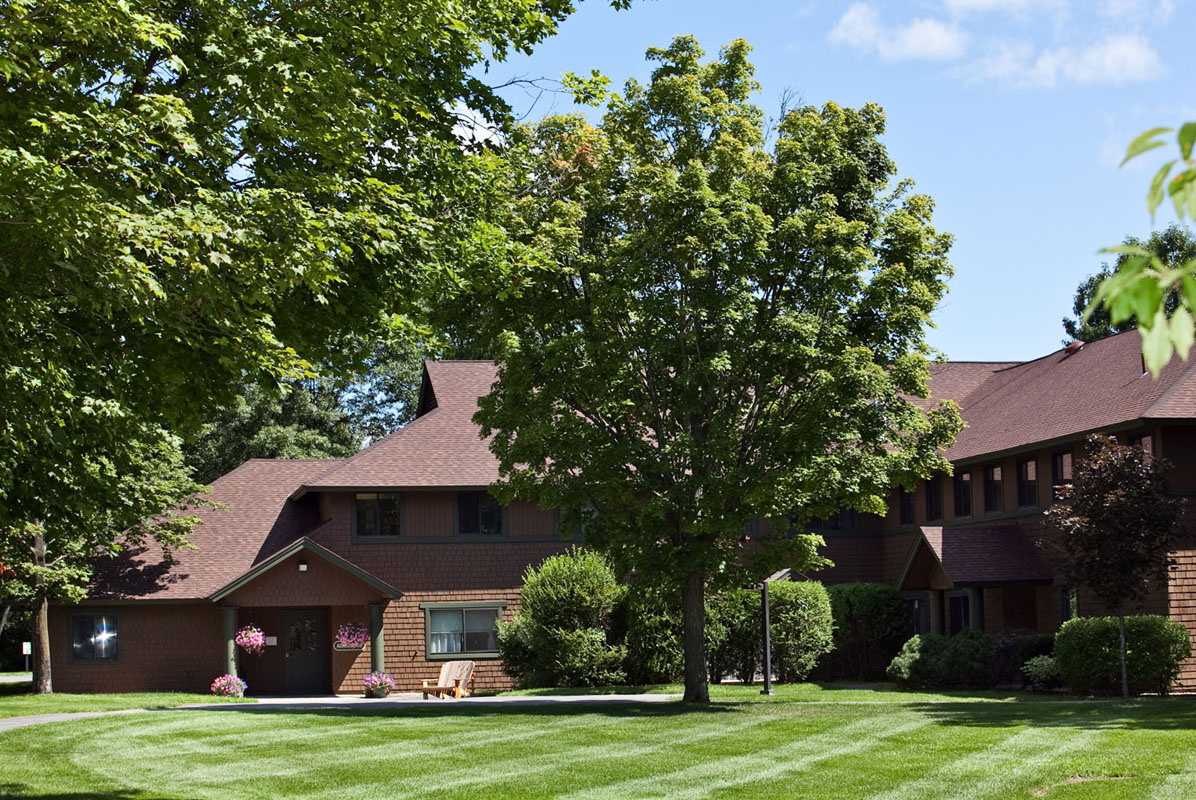
Okay, okay, I know that’s not fair. The accommodations are far from a cuckoo’s nest. Not quite hotel-like, but more of an upscale college dorm. The rooms are clean, with wall-to-wall low-nap blue carpeting. The beds are comfortable enough. Everyone has the exact same simple pine furniture – a nightstand, bed, small bureau, and a desk with a chair. For a minute there, I thought I wasn’t allowed to have a trash can, either, but when I saw that my roommate had a trash can, I asked for one, too, figuring the person who empties them must have forgotten to put it back. There’s a bathroom with a shower in every two-person bedroom. I am thankful for that. Some dorms make you walk down the hall in a robe to shared showers. I was surprised to find that the shower is pretty roomy with a nicer shower head than what I have at home. At least I only have to share it with one other person.

All the rooms come off a long, carpeted hallway that has attractive pictures on the wall of simple scenes with flowers or fishing boats. It smells nice, here. There are scent-diffusers placed around some of the public areas. They told me it was some kind of aromatherapy. Pleasant. A light mix of eucalyptus and lavender.

The public places include a game room with a long table on one side that could seat eight, and some soft armchairs with small tables on the other. There were a couple bookshelves filled with games and books, and a flat screen TV on the wall. The windows were huge, looking into the center courtyard between all the buildings on the property. It’s summer, so the trees are all full and the flowers profuse.

There’s a small kitchen with a table that could seat four, a refrigerator filled with lemonade, yogurt, and tea, a coffee pot with all the necessary java makings, a sink and dishwasher, and cupboards filled with hand-me-down table service. There’s even ice cream and sherbet in the freezer.

There’s also a large common room filled with couches and armchairs that is mostly used for group therapy sessions, but they said that on the weekends people can watch movies or sing with a karaoke machine. The windows here open out onto a sunny patio with wrought-iron patio furniture including big green umbrellas for shade.

My first impression when I arrived yesterday was one of relief. This place is a thousand times better than that psychiatric emergency room I came from. Today, though, I know it’s all gilding. The pictures cannot be moved, not even to set it a little straighter. They are glued to the walls. Someone walks in to check on me every 15 minutes, all day and all night. They woke me up last night and told me I couldn’t pull the covers so closely around my head because the person with the flashlight needs to quickly see I’m okay and move on to the next patient.

All of my belongings – except my clothes – are behind a front desk, and I have to ask for my hairdryer or purse. I cannot use a razor unless there’s a staff-woman free who can watch me use it. I’m not allowed to use my cellphone. I must stand in line and wait my turn to use the landline on the wall or the one behind the folding glass doors for a bit more privacy. I’m not allowed to have visitors other than my immediate family, and then only once a week.

I’m required to follow the schedule on the whiteboard, attend each meeting no matter how much I wish to just be left alone to think. I have to ask permission to sit outside in the fresh air. I need permission to go for a walk, and can only go if there are enough other patients who want to go at the same time and there’s an available staff person to escort us. I have to stand in line for my morning and evening pills, and if I want to sit in my room until the line dies down, a staff person will come find me and tell me to get in line. They are nice enough about it, but some of the staff look at us like we are cats they are trying to herd.

I’m in a hospital, no question, and I can’t leave until they say I can.


Leave a comment

My Woods

700_SF_-_Muir_Woods_Creek_P2906r

Of all the things I am thankful for, I must include that safe space of my teenage years in Kansas City, a small woods hidden less than a mile from my home. We had lived on Belvedere Parkway over a year before I found them, and I wouldn’t have found them at all if it hadn’t been for the Moody Blues’ Days of Future Passed. My mom had eventually handed her album down to me along with her old record player from when we were in California, and I listened to music in my room for hours – like any teenager.

“Something calls to me.

“The trees are drawing me near.

“I’ve got to find out why.

“Those gentle voices I hear,

“Explain it all with a sigh.”

I don’t know why those song lines always move me when I hear them, but they especially did so when I was a young, imaginable teen who played Dungeons & Dragons and read Tolkien over and over. I liked to imagine that the trees could talk to me, that I could understand what the leaves were whispering. I would go on long walks in the neighborhood at twilight, when the lowering sky and lengthening shadows added an air of mystery to the familiar streets and houses.

On one of those walks, I found a stretch of trees, a small woods, that developers had not yet torn down. There was a small creek that ran in front of it, with a high embankment that stood about three feet above the ground. I would scramble up the dusty embankment, finding footholds in the exposed roots from all the trees reaching toward the scurrying trail of water.

With dirty knees and fingernails, I would sit with an arm draped around a slender tree trunk, my scruffy sneakers dangling over the creek. It felt good to sit there, feeling the rough bark against my arm and torso through my thin t-shirt; listening to the birds chattering above; watching the sunlight dance to and fro across the water through the moving leaves.

The view was not that great. I was facing the houses where I came from, the very thing I was trying to escape. I didn’t want to look back, so I got up and walked deeper into the woods. The trees were spaced far enough apart that it was easy walking. There was no clear path, but I could see where other kids had been here before me. There were even bike tracks. There were dried leaves and pine needles crunching underfoot, and the breeze flowed easily through the trunks and underbrush.

I only walked about ten minutes before reaching the other end of the woods, which abruptly stopped at the edge of an expanse of meadow. One of the trees at the edge had sturdy, low branches, so I swung up into it and settled myself comfortably, leaning back into the trunk and filling my eyes with all those tall grasses and swinging wildflowers. Most of them were tiny purple things, dotted with Queen Anne’s lace and honeysuckle. It was the end of summer, and already a few leaves were starting to turn in the woods, but that sunny meadow looked like winter could never touch it.

I remember closing my eyes and smelling the warm, earthy air. I was still for so long that the squirrels came back out, climbing the tree next to me, and pausing every time I shifted my weight on that uncomfortable hard branch. I listened to every tiny rustle in the leaves and on the ground, every creak in the swaying branches, every call of each crow and sparrow. I felt far away from civilization, far away from modern times. I could imagine an elf peering at me from behind a tree, or a druid gathering stones for a mysterious circle. For those few, wonderful moments, magic was possible. I was a changeling, and my real mother – some magical being – would soon appear and take me to live with her in a far-away land.

I visited those woods often, and even stopped there to say goodbye the night I ran away from home at 17. I was so happy there, in that world where anything was possible, any dream could come true. They are gone now, developers finally built suburban homes over most of them, but I will always be thankful for the time that I was a child of those magical woods.